
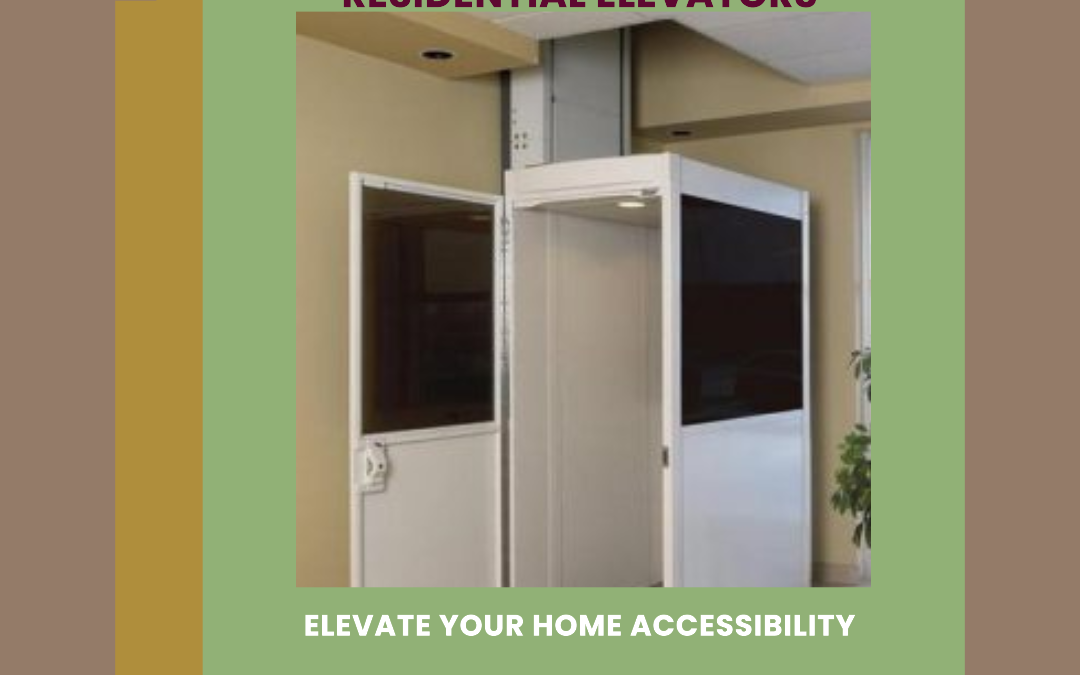
Redefining Home Accessibility: Residential Elevators in Colorado and Denver
I’ve consulted on residential elevator installations across Denver, the suburbs, and mountain communities for years. Most of the families I meet are surprised by two things: how much less disruptive a modern residential elevator installation is than they expected, and how much more realistic the cost is — particularly for pneumatic systems.
This guide covers the four main types of residential elevators available for Colorado homes, what each costs, what permits are required, and what the installation process actually looks like.
Why Colorado Homeowners Are Installing Residential Elevators
Three trends drive most of the elevator consultations I do in Colorado:
- Aging in place: Colorado has over one million adults aged 60 or older. Multi-level homes that were easy to navigate at 50 present real challenges at 75 or 80. An elevator solves the problem permanently.
- Multi-generational households: families with an elderly parent or a family member with a disability who needs full wheelchair access — not just stair lift transfer — need a product that carries the wheelchair directly.
- New construction planning: Colorado’s active custom home building market means more families are asking ‘should we include an elevator at the build stage?’ The answer is almost always yes — it is far less expensive to build the shaft during construction than to retrofit later.
Residential Elevator Types and Costs in Colorado
| Elevator type | Installed cost | Space required | Best for |
|---|---|---|---|
| Pneumatic (vacuum) elevator | $20,000–$35,000 | 28–37 inch diameter tube — no shaft needed | Retrofit; 2–3 floors; fastest installation; most popular in CO |
| Hydraulic elevator | $25,000–$50,000 | Dedicated shaft + pit | Smooth ride; high capacity; popular in new construction |
| Cable-driven (traction) | $25,000–$45,000 | Dedicated shaft + machine room | Traditional; reliable; most common in larger CO custom homes |
| Shaftless LU/LA elevator | $15,000–$30,000 | Minimal footprint; no pit | ADA-compliant; retrofit-friendly; popular for Denver home upgrades |
For most Colorado homeowners retrofitting an existing home, a pneumatic elevator is the most practical starting point. No shaft construction, 1–2 day installation once permits are approved, and starting around $20,000.
Colorado Permit Process for Residential Elevators
All residential elevators in Colorado require building permits and a state elevator permit from the Colorado Division of Oil and Public Safety (OPS). This is a two-layer process:
| Step | Authority | Typical timeline |
|---|---|---|
| Building permit application | Local municipality (Denver CPD, Jefferson County BSafeDiv, etc.) | 2–4 weeks |
| Colorado OPS elevator permit | Colorado Division of Oil and Public Safety | 2–4 weeks (concurrent with building permit in most cases) |
| Post-installation inspection | Colorado OPS inspector | Typically 1–2 weeks after installation completion |
| Annual inspection (ongoing) | Colorado OPS — required by state law | Annual — we can connect you with approved inspection services |
For new construction: coordinate with your architect and general contractor to include the elevator shaft in the building plans from the start. This is significantly less expensive than cutting a shaft into an existing structure.
For retrofit: pneumatic elevators are the most permit-friendly option in Colorado — no shaft construction means no structural modifications, which simplifies the permit application considerably.
Benefits of Residential Elevators for Colorado Families
Beyond mobility, Colorado homeowners cite three main reasons for installing residential elevators:
- Full independence: unlike a stair lift, an elevator carries the wheelchair directly. No transfer required. No assistance needed. Complete independence for the user.
- Convenience for everyone: carrying laundry, groceries, or equipment between floors becomes effortless. The elevator serves the whole household, not just the mobility-impaired user.
- Home value: in Colorado’s market, a residential elevator is a premium feature. Particularly in multi-story homes in Cherry Creek, Washington Park, and Cherry Hills Village, a home elevator adds more to resale value than it costs to install.
Residential Elevators in Colorado and Denver
Colorado’s stunning landscapes, from the Rocky Mountains to the cityscapes of Denver, are beloved by residents. The vertical nature of the state, especially in areas like Denver, makes the installation of residential elevators particularly relevant. These elevators enable homeowners to fully appreciate and enjoy the breathtaking views, easy access to outdoor spaces, and a comfortable living experience.
Schedule a Free Elevator Consultation
|
Frequently Asked Questions:
What is the most affordable home elevator for a Colorado retrofit?
Pneumatic (vacuum) elevators are typically the most retrofit-friendly and affordable option, starting around $20,000 installed. They require no shaft construction and can be installed in most Colorado homes in 1–2 days once permits are approved.
Do residential elevators increase home value in Colorado?
Yes. In Colorado’s aging demographic and luxury home market, a residential elevator is a premium accessibility feature. It typically adds more to resale value than its installation cost, particularly in multi-story homes in sought-after Denver-area neighbourhoods.
What permits are required for a residential elevator in Colorado?
A building permit from your local municipality, plus a Colorado OPS elevator permit. Annual inspection is also required by Colorado state law. We manage the permit process as part of your installation — you do not need to contact the OPS directly.
How long does residential elevator installation take in Colorado?
Pneumatic elevators take 1–2 days of physical installation once permits are approved. Hydraulic and cable-driven elevators require shaft construction, several weeks to months. Permit approval adds 2–6 weeks to the total timeline for any elevator type.
Can I add an elevator to an existing Colorado home without structural changes?
Yes, using a pneumatic (vacuum) elevator. These self-contained systems require no shaft and minimal structural work, making them the preferred option for Colorado homeowners who want elevator access without a major renovation.