Conquering Vertical Barriers with Ease
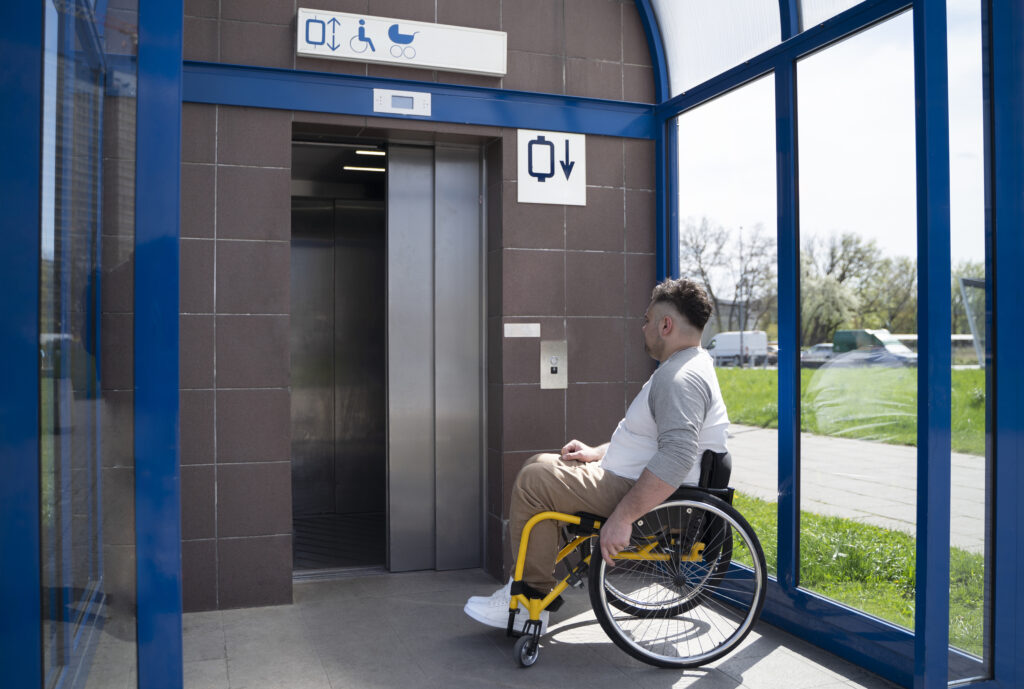
If you use a wheelchair or scooter, you already know that even a few steps can feel like a mountain. A porch with three stairs. A split-level entryway. That sunroom in the back that you just can’t reach anymore. Little barriers can add up to a big loss of freedom.
That’s where a wheelchair lift comes in. Instead of avoiding areas of your home or depending on someone else for help, you can simply roll onto a platform and let the lift do the work. With one smooth motion, it carries both you and your wheelchair safely to the next level.
For families and caregivers, this isn’t just about convenience. It’s about dignity, independence, and opening up every part of the home again.
What Exactly is a Wheelchair Lift?
Think of a wheelchair lift for home as a personal elevator designed for short distances. You roll onto a sturdy platform, secure yourself, and with the push of a button, the lift raises or lowers you past stairs or other obstacles.
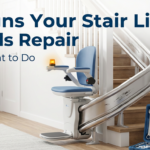
It’s important to note the difference between a stair lift and a wheelchair lift. A stair lift is a seat that runs along the stairs, meaning you have to transfer out of your wheelchair to use it. A wheelchair platform lift is different—it carries both you and your wheelchair or scooter, no transfer required. That makes it safer, faster, and more comfortable for many people.
Types of Wheelchair Lifts for Homes
Vertical Platform Lifts (VPLs)
A vertical platform wheelchair lift works a lot like a small residential elevator. The platform moves straight up and down, making it ideal for places like porches, decks, and garages.
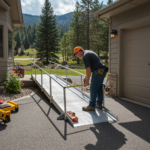
Instead of building a long, winding ramp (which can take up half your yard), a VPL uses a small footprint to get the job done. Many models are designed for outdoor use, with weatherproofing to handle rain, snow, and Colorado’s changing seasons.
If you’ve ever looked at your front steps and thought, “I just want a safe, simple way up,” a vertical lift may be the answer.
Inclined Platform Lifts
When a vertical lift isn’t possible, an inclined platform lift (sometimes called a wheelchair lift for stairs) can be installed along the staircase itself. It carries the wheelchair up the incline, rather than moving vertically.
They aren’t as common as vertical lifts, but in the right setting, they’re a smart and practical option.
The Benefits of a Wheelchair Lift for Home
Adding a wheelchair lift for home does more than solve a mobility issue—it changes how you live in your house day to day.
- Independence: You don’t have to wait for help or plan around someone else’s schedule. You can move freely whenever you want.
- Safety: No risky transfers, no struggling with steep ramps. Just roll on, ride up, and roll off.
- Convenience: A lift makes the whole house usable again—bedrooms, porches, basements, you name it.
- Indoor and outdoor flexibility: There are solutions whether your challenge is the front steps or a flight of stairs inside.
Many families say the biggest change is peace of mind. They know their loved one is safe, and that’s priceless.
How to Choose the Right Wheelchair Lift
Every home is different, so the “right” lift depends on your layout and lifestyle. A few things to think about:
- How much space do you have near the stairs or porch?
- How high do you need the lift to travel? Just a few steps, or multiple levels?
- Will the lift be inside or outside (or both)?
- What’s your budget? New lifts come with the latest features, while pre-owned models can provide big savings without cutting corners.
This is why we always start with a home assessment. Seeing the space in person helps us recommend the lift that’s safest, most reliable, and least disruptive to your home.
Installation and Safety: What to Expect
The idea of installing a lift can feel overwhelming, but most families are surprised at how smooth the process is.
Here’s the reality: a professional team comes in, takes careful measurements, installs the lift securely, and then walks you through how to use it. Modern lifts come with built-in safety features—like non-slip platforms, emergency stop buttons, and safety gates—so you can ride with confidence.
And just like with a car, regular maintenance keeps everything running the way it should. At Independent Living Solutions Inc., we don’t just install the lift and walk away—we’re here for ongoing support whenever you need it.
Unlock Every Level of Your Life
At the end of the day, a wheelchair lift for home is about more than stairs. It’s about freedom. It’s about being able to get to the porch for morning coffee, down to the basement to do laundry, or up to the bedroom without worry.
Whether it’s a vertical platform wheelchair lift for outdoor steps or a wheelchair lift for stairs inside your home, the right solution can make your space fully accessible again.
👉 Ready to make your home barrier-free? Contact Independent Living Solutions Inc. today and let’s talk about the best lift for your needs. Learn more about wheelchair lifts here.
FAQs
How much does a wheelchair lift cost for a home?
It depends on type, height, and features. Straightforward vertical lifts are typically more affordable than multi-level systems, and used models can also help reduce cost.
Can a wheelchair lift be installed outdoors?
Yes, many vertical platform lifts are weather-resistant and designed specifically for porches, decks, and garages.
What’s the difference between a stair lift and a wheelchair lift?
A stair lift carries a person in a seat, while a wheelchair lift transports both the individual and their wheelchair or scooter.
How long does installation take?
Most home installations can be completed in a single day with minimal disruption.
Are wheelchair lifts safe?
Yes. With features like safety gates, non-slip platforms, and emergency stop buttons, wheelchair lifts are designed with user safety as the top priority.