by Steven Pal | Oct 27, 2025 | Blogs
As mobility requirements evolve due to aging, injury, or other forms of accessibility needs, homeowners are increasingly opting for vertical platform lift (VPL) solutions to stay safe in their homes. A rightly selected VPL turns a barrier into an effortless vertical access path, giving independence, dignity, and peace of mind. However, not every lift is the same in terms of safety, installations, and appropriateness for your sort of home.
What is a Vertical Platform Lift (VPL) and Why It Might Be the Right Choice
A vertical platform lift with a staircase is a mechanism intended to move a human being and typically a wheelchair, scooter, or mobility aid up or down between levels in a building. A stair-lift along a sloped track differs from a VPL, which travels straight up in a vertical line, much like a compact elevator.
Key Points:
- What it Does:The platform user wheels or walks up onto the platform, presses controls (usually an up/down button), and the platform then lifts or lowers to a landing.
- Where: It can be installed indoors or outdoors, and is often installed on porches, raised decks, garage entries, split-level homes, or between two floors.
- Why a VPL: Compared to a long ramp (which takes up floor space) or a full home elevator (with its shaft, serious construction, and cost), VPLs strike a feasible medium: fewer structural requirements, solid vertical travel, and a lot more accessibility.
Staircases are another consideration: In some cases, a VPL, which serves, for instance, for a low-level rise between the deck and the main floor, may be installed near or just beside a staircase because the stair-lift might not suffice (because the user stays in the wheelchair) or because it might be too much to have a full-blown elevator installed.
Because of this versatility, consider the safety and reliability features of the access vertical platform lift with staircase very keenly if you are choosing to install one for your residence.
Safety Features That Make a VPL Reliable
A truly reliable vertical platform lift is more than a simple platform and a motor-it is a safety system that incorporates redundancy with the user in mind and ready for the future. Key features below indicate what to look for.
1. Floor and Platform Stability With Anti-Rolling Barriers.
- In the first place, the platform must allow a stable resting place for wheelchairs or any mobility device, with many models having a ramp or an upward folding lip that becomes a barrier once the lift is raised.
- Good units would also be fitted with side guardrails or gating mechanisms to deter wheels or feet from slipping out.
- Non-skid flooring should be laid down on the platform to avoid any incidence of slipping.
2. Gates or Doors at Landings
- In the first place, the platform must allow a stable resting place for wheelchairs or any mobility device, with many models having a ramp or an upward folding lip that becomes a barrier once the lift is raised.
- Good units would also be fitted with side guardrails or gating mechanisms to deter wheels or feet from slipping out.
- Non-skid flooring should be laid down on the platform to avoid any incidence of slipping.
3. Appropriate Weight Capacity & Platform Size
- The lift must be rated to carry the user + the mobility device comfortably (750 lbs or even more is quite standard), so it won’t be pushed past the safety limits assigned to it.
- The size of the platform must therefore be sufficient to accommodate the largest mobility device you might have now or may have in the future-measurement is very important.
4. Travel height & speed suitability
- Check if the lift serves the height you want to move (e.g., up to 10 feet works well for transport from deck to outside area, or between floors).
- Speed should be smooth and safe. No speedy and jerky operation. Control systems matter.
5. Safe Drive System and Power
- Having a reliable drive mechanism, whether it is hydraulic, screw-drive, or direct drive, appropriately maintained and designed with safety, will contribute to safe working conditions.
- Backup power option is important; if there is a power failure, then the lift should still be able to safely descend or still operate.
6. Weather-Resistant Design (For Outdoor Installations)
- Lift made for outdoors (deck, porch) requires sealing, protective covers, and weather-proof components against corrosion, water ingress, and freezing.
- The best-proven suppliers will explicitly offer outdoor-rated models.
6. Clear Operating Controls
- Controls need to be intuitive, accessible by a wheelchair user, and accessible from a standing position; ideally, dual controls—on top and bottom.
- Good ergonomics ensures independence and helps lessen user catastrophes.
7.Compliance with Safety Standards & Code
- Look to comply with standards such as the ASME A18.1 Safety Standards for Platform Lifts and Stairway Chairlifts
- Safe design, servicing, certifications, and professional installation are required in private homes.
8.Professional Installation & Maintenance Plan
No matter how good, a lift can become unsafe if installed badly or poorly maintained. Ensure that you are choosing a good installer who knows homes, especially if in extreme weather or at an elevation.
Ask about maintenance schedules, availability of replacement parts, and service support.
Residential Application: What to Focus On
When installing an access vertical platform lift for a residence, one is always faced with some peculiar circumstances:
- Minimal Disruption:The interior often means tighter spaces, uneven floors, and the requirement to blend with existing designs. A lift system that cuts on long ramps and uses less space is a big plus.
- Integration With Existing Stairs or Deck: If the lift is serving a landing adjacent to or along a staircase (e.g., from a raised porch down to the main floor), you will want to ensure that stair usage is not impeded by the lift; building clearances must be met; and, if possible, handrails and stair width should be maintained.
- Your Home is Future-Proofed:As mobility changes over time, the lift is supposed to be useful for not only present but also future needs, wherein accommodating a full-size wheelchair, adding attendant space if needed, or simply the ease of use are just a few factors.
- Exterior vs Interior: Consider alternate weather effects, snow/ice buildup (if in cold climates), drainage, enclosure, and covered approach, if outdoors (deck, porch). If indoors, considerations should include space, allowable travel, head clearance, and power.
- Resale:The installation of a VPL can increase the value of a home by making it more accessible, which, increasingly, is a much desired amenity in aging-in-place markets.
Choosing a Reliable VPL Provider: What to Ask
Options are viewed (in our case, Independent Living Solutions’ page for vertical platform lifts), and one must consider the following:
- What is the total rise (vertical travel) for the lift? Make sure the model can reliably support that height.
- What is the weight capacity of the platform? You want some margin for travel device + user + potential future needs.
- What safety features does it have (list from above)? Request documentation and demonstration.
- Is it rated for outdoor use (if applicable): Does it have an official weather rating? Does it offer corrosion resistance? Is the warranty valid for outdoor conditions?
- What power requirements must be fulfilled? Could it use a household outlet, or does it require a dedicated circuit, or maybe a battery backup?
- What controls will we be given? Will there be landing controls? Platform controls? Emergency stop? Backup lowering system?
Installation & Maintenance: Ensuring Long-Term Safety
Whatever lift you buy, it will not perform well or might even be dangerous if installation and maintenance are neglected. Some tips for indefinite operations include safety considerations.
- Site Preparation: The installation site should meet structural requirements (e.g., concrete pad, level surface, proper anchoring). One manufacturer states a requirement: “A platform lift must rest on concrete; a concrete pad may need to be poured.”
- Electrical Work:The unit must be connected in accordance with manufacturer specs – good wiring, circuit protections, battery backup in case of power failure.
- Weatherproofing:For outdoor units, avoid standing water, clear any snow or ice, and provide covers or enclosures to protect from weather.
- Keep Controls Clean:Buttons, panels, and remote controls must be kept dry and clean and in good working condition.
- Emergency Access/Backup Power:Manual lowering or backup power must work, so you will not be stranded if power goes out.
- Training & User Orientation:The passengers and their caregivers shall be taught about operating procedures, emergency stops, safe boarding, and exiting.
- Maintenance Contract:In regard to the maintenance of the lift, consider a service contract with the dealer/vendor so that periodic lubrication, sensor checks, etc., are scheduled.
- Usage Monitoring: If the lift is used by more than one person (e.g., household, caregivers), use is monitored so as to be able to anticipate wear or fatigue.
Real-world Scenario: Installing a VPL with a Staircase in a Home
Imagine living in a split-level-style house where the main entrance runs through a raised deck onto the door, while the stairs consist of around 8 steps leading to the entry level. One goes around by scootin,g or sometimes wheelchairs may be required.
The ramp would eat away much of the deck/yard space, and it would look ungainly! The full-scale home elevator is out of budget. Given the above atmosphere, a vertical platform lift with a staircase offers a plausible solution: the VPL should be installed next to the deck stairs with the platform rising from about 6-7 ft up to a level where one can just coast on into the house.
How the Target Link Fits In
If you are looking into getting a vertical platform lift installed, do check out Independent Living Solutions’ page on Vertical Platform Lifts / Wheelchair Lifts. They provide information for residential VPLs and wheelchair lifts, on which you may want to:
- Examine different types of VPLs and note their specifications.
- Learn about installation aspects (indoor vs. outdoor, capacity, platform size).
- Inquire about safety features (emergency stop, sensors, gating, outdoor rating).
- Request a quote for your home’s rise and layout.
- Ask questions about service/maintenance and upgrades going forward.
Using this information as a guide, you can now compare vendors and verify safety features so that what you are really paying for is a tried and tested, certified system, not just the cheapest price.
Conclusion
A vertical platform lift is more than a convenience; it is about promoting personal freedom, dignity, and safety. When the right lift is chosen and correctly installed, it brings full home access; without leaning another major heavy barrier, you are fully able to remain in your home for longer with minimal uncertainties.
Are you ready now to explore the installation of a VPL in your own home? Then start by asking: What is the vertical rise? What do your potential long-term needs look like in terms of mobility? Will it sometimes be used with a wheelchair or scooter? What space limits or design aesthetics matter to you? Armed with this information, inquire with your vendor about all capacities, controls, installation methods, maintenance, and safety features.
FAQs:
1. What is a Vertical Platform Lift (VPL)?
A Vertical Platform Lift is a powered device designed for vertical movement of individuals, commonly the ones with mobility aids. It provides a compact and safe way to access different levels as opposed to the long ramps or the expensive home elevators.
- How is a VPL different from a stair lift?
The stair lift consists of a rail with a chair that moves along the steps, while a VPL goes straight up and down like a mini elevator. VPLs are perfect for wheelchair users who want to stay in their mobility devices during the movement.
- Where can a VPL be installed in a home?
VPLs can be placed indoors or outdoors, usually next to porches, decks, garages, or between two floors. Outdoor-rated variants can endure the weather and temperature fluctuations that come with being installed outside.
- What safety features should I look for in a VPL?
Besides interlocking gates, obstruction sensors, and emergency stop buttons, also check for non-slip flooring, and anti-rolling barriers. All of these features guarantee the safety of users and do not allow accidental movement or falls to occur.
- How much weight can a typical VPL carry?
Most home VPLs can carry weights around 750 lbs or more, which is enough for a person plus a wheelchair and even some accessories. However, it is always better to confirm the model’s weight rating to ensure it meets your mobility needs.

by Steven Pal | Aug 27, 2025 | Blogs
Conquering Vertical Barriers with Ease
If you use a wheelchair or scooter, you already know that even a few steps can feel like a mountain. A porch with three stairs. A split-level entryway. That sunroom in the back that you just can’t reach anymore. Little barriers can add up to a big loss of freedom.
That’s where a wheelchair lift comes in. Instead of avoiding areas of your home or depending on someone else for help, you can simply roll onto a platform and let the lift do the work. With one smooth motion, it carries both you and your wheelchair safely to the next level.
For families and caregivers, this isn’t just about convenience. It’s about dignity, independence, and opening up every part of the home again.
What Exactly is a Wheelchair Lift?
Think of a wheelchair lift for home as a personal elevator designed for short distances. You roll onto a sturdy platform, secure yourself, and with the push of a button, the lift raises or lowers you past stairs or other obstacles.
It’s important to note the difference between a stair lift and a wheelchair lift. A stair lift is a seat that runs along the stairs, meaning you have to transfer out of your wheelchair to use it. A wheelchair platform lift is different—it carries both you and your wheelchair or scooter, no transfer required. That makes it safer, faster, and more comfortable for many people.
Types of Wheelchair Lifts for Homes
Vertical Platform Lifts (VPLs)
A vertical platform wheelchair lift works a lot like a small residential elevator. The platform moves straight up and down, making it ideal for places like porches, decks, and garages.
Instead of building a long, winding ramp (which can take up half your yard), a VPL uses a small footprint to get the job done. Many models are designed for outdoor use, with weatherproofing to handle rain, snow, and Colorado’s changing seasons.
If you’ve ever looked at your front steps and thought, “I just want a safe, simple way up,” a vertical lift may be the answer.
Inclined Platform Lifts
When a vertical lift isn’t possible, an inclined platform lift (sometimes called a wheelchair lift for stairs) can be installed along the staircase itself. It carries the wheelchair up the incline, rather than moving vertically.
They aren’t as common as vertical lifts, but in the right setting, they’re a smart and practical option.
The Benefits of a Wheelchair Lift for Home
Adding a wheelchair lift for home does more than solve a mobility issue—it changes how you live in your house day to day.
- Independence: You don’t have to wait for help or plan around someone else’s schedule. You can move freely whenever you want.
- Safety: No risky transfers, no struggling with steep ramps. Just roll on, ride up, and roll off.
- Convenience: A lift makes the whole house usable again—bedrooms, porches, basements, you name it.
- Indoor and outdoor flexibility: There are solutions whether your challenge is the front steps or a flight of stairs inside.
Many families say the biggest change is peace of mind. They know their loved one is safe, and that’s priceless.
How to Choose the Right Wheelchair Lift
Every home is different, so the “right” lift depends on your layout and lifestyle. A few things to think about:
- How much space do you have near the stairs or porch?
- How high do you need the lift to travel? Just a few steps, or multiple levels?
- Will the lift be inside or outside (or both)?
- What’s your budget? New lifts come with the latest features, while pre-owned models can provide big savings without cutting corners.
This is why we always start with a home assessment. Seeing the space in person helps us recommend the lift that’s safest, most reliable, and least disruptive to your home.
Installation and Safety: What to Expect
The idea of installing a lift can feel overwhelming, but most families are surprised at how smooth the process is.
Here’s the reality: a professional team comes in, takes careful measurements, installs the lift securely, and then walks you through how to use it. Modern lifts come with built-in safety features—like non-slip platforms, emergency stop buttons, and safety gates—so you can ride with confidence.
And just like with a car, regular maintenance keeps everything running the way it should. At Independent Living Solutions Inc., we don’t just install the lift and walk away—we’re here for ongoing support whenever you need it.
Unlock Every Level of Your Life
At the end of the day, a wheelchair lift for home is about more than stairs. It’s about freedom. It’s about being able to get to the porch for morning coffee, down to the basement to do laundry, or up to the bedroom without worry.
Whether it’s a vertical platform wheelchair lift for outdoor steps or a wheelchair lift for stairs inside your home, the right solution can make your space fully accessible again.
👉 Ready to make your home barrier-free? Contact Independent Living Solutions Inc. today and let’s talk about the best lift for your needs. Learn more about wheelchair lifts here.
FAQs
How much does a wheelchair lift cost for a home?
It depends on type, height, and features. Straightforward vertical lifts are typically more affordable than multi-level systems, and used models can also help reduce cost.
Can a wheelchair lift be installed outdoors?
Yes, many vertical platform lifts are weather-resistant and designed specifically for porches, decks, and garages.
What’s the difference between a stair lift and a wheelchair lift?
A stair lift carries a person in a seat, while a wheelchair lift transports both the individual and their wheelchair or scooter.
How long does installation take?
Most home installations can be completed in a single day with minimal disruption.
Are wheelchair lifts safe?
Yes. With features like safety gates, non-slip platforms, and emergency stop buttons, wheelchair lifts are designed with user safety as the top priority.

by Steven Pal | Aug 27, 2025 | Blogs
Regain Your Freedom with a Stair Lift
There’s nothing quite like the comfort of your own home. It’s where your memories live, where you’ve built routines, and where you feel most at ease. But if stairs have become a hurdle because of age, injury, or limited mobility, that sense of comfort can quickly turn into daily stress.
For many seniors and families, the staircase is the biggest barrier to living freely at home. The good news? A stair chair lift can change that almost instantly. With the push of a button, you glide smoothly between floors, removing the fear of a fall and restoring independence.
In this guide, we’ll walk through everything you should know about stair lifts for seniors—from the different types available, to whether a new or used stair lift for sale is right for you, and what installation really looks like.
What Exactly Is a Stair Lift and How Does It Work?
Think of a stair chair lift as your personal helper for the stairs. It’s a motorized seat that rides along a rail system mounted directly to your staircase. No wall demolition, no complicated remodeling—just a simple track and chair that carries you up and down safely.
Here’s the experience in real life: you sit down, buckle up, press a button, and the chair glides quietly along the rail. At the top or bottom, it stops smoothly—no jolts, no sudden stops.
The benefits speak for themselves:
- Safety first: Stairs are one of the leading causes of falls for seniors. A stair lift virtually eliminates that risk.
- Independence: No waiting for family to help. You move when you want, on your terms.
- Convenience: Quick access to every level of your home without the physical strain.
- Aging in place: You get to enjoy the home you love for longer, without downsizing or moving.
Choosing the Right Type of Stair Lift
Straight Stair Lifts
If your staircase goes in a single line without turns or landings, a straight stair lift is usually the best fit. These models are straightforward, affordable, and quick to install.
They’re perfect for homes where the goal is simply to make a standard staircase safer. Modern straight stair lifts often fold up neatly to keep the staircase accessible for everyone else in the household. Smooth start-and-stop technology makes them comfortable to ride, and built-in sensors ensure the chair won’t keep moving if something is in the way.
Curved Stair Lifts
Now, if your staircase has bends, spirals, or intermediate landings, a curved stair lift is the solution. Unlike straight lifts, these are custom-designed to follow the exact shape of your staircase.
This makes them a bit more of an investment, but the result is a smooth, elegant ride that feels built into your home’s design. They can even be designed to stop at multiple floors if your home has more than two levels. For many families, the customization of a curved stair lift is well worth it.
Why Stair Lifts for Seniors Are Life-Changing
Mobility challenges often force tough decisions. Without a stair lift, many seniors face moving bedrooms downstairs, avoiding certain parts of the house, or even considering assisted living.
But stair lifts for seniors make staying home both safe and practical. They provide:
- Access to every room—no need to “give up” your favorite space.
- Freedom to keep daily routines intact.
- Energy savings—you won’t be worn out from climbing stairs.
And it’s not just the seniors who benefit. Families often share that once a stair lift is installed, they no longer worry about loved ones risking a dangerous fall. That peace of mind is priceless.
New vs. Used Stair Lifts: Which Makes Sense?
When researching stair lifts for sale, you’ll quickly discover two main options—brand-new lifts and used stair lifts for sale.
New stair lifts give you access to the latest designs, customization (especially important for curved lifts), and a full manufacturer’s warranty. They’re a great long-term choice if you want the newest features and a product built specifically for your staircase.
Used stair lifts, on the other hand, can be a smart way to save. At Independent Living Solutions Inc., our pre-owned models are thoroughly refurbished, tested, and installed by professionals. That means you can trust they’re just as safe and reliable as new models—only at a fraction of the cost.
Many families choose used stair lifts when they need a fast, affordable solution, especially for standard straight staircases. It’s a great way to balance budget and safety without cutting corners.
What Installation Really Looks Like
If you’re imagining construction dust and weeks of disruption, rest easy. A stair lift installation is surprisingly simple.
Here’s what usually happens with Independent Living Solutions Inc:
- We start with a free in-home assessment. This isn’t a sales pitch—it’s a chance to measure your staircase and talk about your specific needs.
- On installation day, our team mounts the rail directly to the steps—not the wall—so your home’s structure stays untouched.
- Once the lift is in place, we test everything, walk you through how to use it safely, and make sure you’re comfortable before we leave.
- And of course, we’re here long-term with maintenance and support.
In most cases, the entire installation is finished in just a few hours.
Take the Next Step Toward Independence
At the end of the day, a stair lift isn’t just equipment—it’s a way to take back your freedom, stay in the home you love, and move confidently from floor to floor. Whether you need a straight stair lift, a custom curved stair lift, or are looking at cost-effective used stair lifts for sale, there’s a solution that fits your home and your budget.
At Independent Living Solutions Inc., our mission is simple: to help you live safely and independently at home.
Ready to explore your options? Contact us today for a free in-home assessment and a personalized quote. Click here to learn more about our stair lifts.
FAQs
1. How much does a stair chair lift cost?
The cost of a stair lift depends on whether you need a straight or curved model. Straight stair lifts are typically more affordable, while curved stair lifts require custom rails and are priced higher. Independent Living Solutions offers both new and used stair lifts for sale to fit different budgets.
2. Can stair lifts be installed on any staircase?
Yes, most staircases can accommodate a stair lift. Straight stair lifts are best for single-flight stairs, while curved stair lifts are designed for stairs with turns, landings, or spirals.
3. Are used stair lifts safe?
Absolutely. At Independent Living Solutions, all used stair lifts for sale are professionally refurbished, inspected, and installed to meet strict safety standards.
4. How long does stair lift installation take?
Most installations are completed in just a few hours. Since the rail mounts to the staircase (not the wall), there’s no major remodeling required.
5. Do stair lifts work during a power outage?
Yes, most modern stair lifts are battery-powered. They automatically charge while plugged in, ensuring you can still use them during a power outage.
by Steven Pal | May 26, 2025 | Blogs
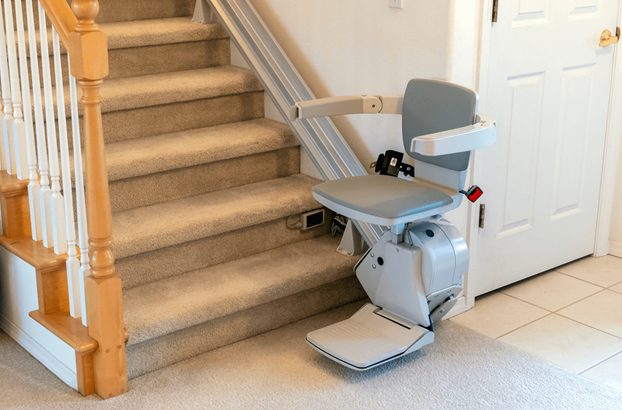
Do you want to know why mobility equipment sales and services are essential? Well, your answer is here. Sales and services of mobility equipment provide a broad range of goods and solutions to meet the needs of people with mobility issues. These services aim to improve accessibility, independence, and overall quality of life by providing stair lifts, ramps, and wheelchairs. As mobility issues become a growing concern, these services are vital in creating safer and more accessible home environments.
From installing a chair lift for the home to providing regular maintenance for these products, the sales and services surrounding mobility equipment are critical for maintaining long-term functionality and safety. In this blog, we will discuss the significance of these services and how they improve day-to-day living.
The Role of Mobility Equipment in Enhancing Independence
When mobility becomes a concern, the impact on daily life can be overwhelming. Routine tasks such as going up the stairs or entering a home can become physically challenging. Mobility equipment, such as stair lifts, provides a solution that restores independence to individuals. By using this equipment, individuals no longer have to rely on others for assistance with basic movements, helping them regain confidence and autonomy.
The availability of mobility equipment tailored to individual needs is crucial. Straight stair lifts, curved stair lifts, and other customized solutions ensure that individuals can safely move between floors and easily traverse their homes. This freedom enhances physical well-being and improves mental and emotional health by allowing individuals to maintain their sense of independence.
The Benefits of Professional Mobility Equipment Sales & Services
While the availability of mobility equipment is essential, the quality of sales and service is equally important. Professional mobility equipment sales and services offer more than just the right products—they provide valuable expertise, guidance, and installation services. Experts in the field help clients choose the most suitable products based on their needs and budget.
Additionally, these services ensure that products are correctly installed, functioning, and are safely used. Whether a wheelchair lift or an incline lift, professional installation guarantees the equipment meets safety standards and provides optimal performance. Regular servicing and maintenance further enhance the longevity of the equipment, preventing unexpected breakdowns and costly repairs.
Types of Mobility Equipment and Their Uses
Mobility equipment comes in various forms, each serving a specific purpose to improve accessibility. Stair lifts are among the most effective solutions for individuals with difficulty navigating stairs. These lifts provide a safe and convenient way to ascend and descend stairs without strain. Depending on the home’s structure, a straight or curved stair lift may be needed. In addition, platform lifts and elevators offer vertical mobility, which is ideal for homes with multiple levels.
Ramps are another popular choice for enhancing accessibility, especially for individuals using wheelchairs or walkers. They make entering and exiting homes easier, eliminating obstacles caused by stairs or curbs. Other mobility aids like automatic door openers, ceiling lifts, and roll-in showers further support individuals in navigating their spaces independently.
Choosing the Right Mobility Equipment for Your Home
When selecting mobility equipment, consider factors such as your home’s layout, your specific needs, and your budget. Professional mobility equipment sales and services provide personalized assessments, ensuring that the chosen solution fits your home’s structure and provides the best value for your investment.
For example, a chair lift can be ideal for a home with limited space. It provides a compact and effective way to move between levels without taking up too much room. Similarly, a vertical lift might suit more significant properties with more extensive accessibility needs.
Maintaining Mobility Equipment for Long-Term Use
After investing in mobility equipment, it’s essential to ensure its longevity through regular maintenance and servicing. A well-maintained stair lift, ramp, or lift chair continues to operate smoothly and safely, preventing potential issues. Professional maintenance services also include inspections to ensure equipment meets safety standards and functions adequately.
Whether adjusting settings on a wheelchair lift or lubricating tracks on a stair lift, regular upkeep can help extend the life of your mobility equipment, ensuring that it continues to provide the necessary support for years to come.
Innovations in Mobility Equipment
As technology continues to advance, so does the mobility equipment industry. Innovations such as more innovative stair lifts and automated doors are making it even easier to live independently. These high-tech solutions provide enhanced comfort and control, allowing individuals to manage mobility devices without added physical strain.
Furthermore, eco-friendly solutions like recycled stair lifts are becoming popular as sustainability becomes a major priority. These alternatives provide the same high level of performance at a lower cost and with less environmental impact.
Conclusion
The importance of mobility equipment cannot be overstated. It plays a vital role in enhancing individuals’ quality of life and enabling them to regain their independence. Professional mobility equipment sales and servicing help people identify the ideal solutions customized to their home’s needs. Investing in the right equipment is essential for creating a secure and accessible living environment, whether you’re considering a chair lift for your home or other mobility aids.
Frequently Asked Questions (FAQs
1. What types of mobility equipment can enhance accessibility?
Stair lifts, vertical platform lifts, ramps, ceiling lifts, automatic doors, and walk-in tubs improve home accessibility.
2. How can professional installation benefit my equipment?
Experts ensure safe, proper setup and recommend solutions suited to your home layout.
3.Why is regular maintenance important?
Maintenance prevents breakdowns, extends equipment life, and keeps it safe to use.
4.How do I choose the right mobility equipment?
Assess your needs, home layout, and budget, and consult professionals for personalized guidance.
by Steven Pal | May 23, 2025 | Blogs
In today’s world, maintaining independence is a key factor in leading a fulfilling life. As individuals age or face health challenges, the ability to live freely and safely at home becomes a vital concern. Independent mobility and accessibility equipment play an essential role in helping individuals maintain their autonomy while ensuring their safety and comfort.
Companies like Independent Living Solutions offer invaluable support in this regard by providing a variety of solutions that can be tailored to the specific needs of individuals seeking independence and mobility.
The Importance of Independent Mobility
Independent mobility is a cornerstone of a person’s ability to navigate through daily tasks with ease. It is crucial not only for physical well-being but also for mental and emotional health. Being able to move freely within one’s home or community fosters a sense of confidence, allowing individuals to maintain their routines and live on their terms. However, as mobility challenges arise due to age, disability, or illness, simple tasks can become daunting, affecting overall quality of life.
Accessibility equipment helps eliminate these barriers, allowing individuals to remain in their homes and continue engaging with the world around them. Mobility aids offer individuals the chance to move independently, while other specialized equipment, like
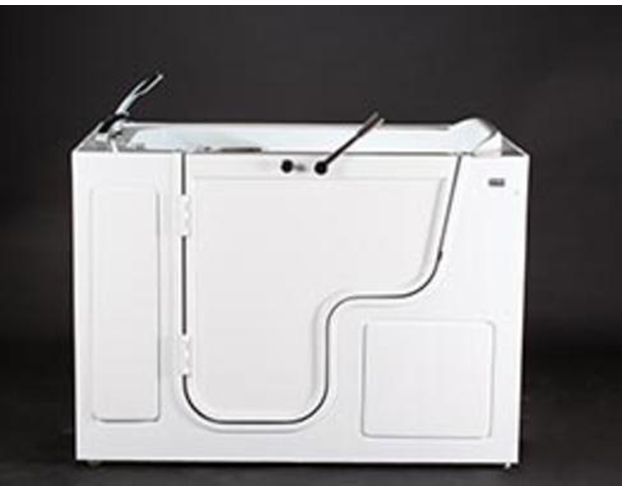
walk-in bathtubs in Denver, provide a safe and comfortable bathing experience.
Accessibility Equipment: The Lifeline for Independence
Accessibility equipment dealers are vital to supporting individuals in their pursuit of independence. Independent Living Solutions is one such provider that offers a range of products designed to improve the daily lives of individuals with mobility challenges. The company focuses on providing mobility and accessibility solutions that meet the diverse needs of customers. By working with a trusted dealer, individuals can access equipment that is personalized to enhance their living experience, ensuring both safety and convenience.
For example, a walk-in bathtub is an essential addition to any home where mobility is a concern. Bathing can be a risky endeavor for individuals with limited mobility. A walk-in tub provides a safe, secure entry, reducing the risk of slips and falls, and offering the individual an efficient way to maintain personal hygiene.
Improving Accessibility for the Future
Accessibility equipment does more than just offer convenience; it changes the way people interact with their environment. Homes are transformed into spaces that are not only safe but also accommodating for individuals with mobility challenges. As society becomes increasingly aware of the needs of people with disabilities, more emphasis is placed on making homes, public spaces, and communities more inclusive.
The role of accessibility equipment dealers, such as Independent Living Solutions, Inc., has become crucial in this movement. By providing tailored equipment that fits the unique needs of each person, we empower individuals to live comfortably and securely in their homes.
Whether it’s installing ramps to make entry easier, providing power lift recliner chairs to enhance comfort, or offering walk-in bathtubs to improve bathroom safety, accessibility equipment helps create an environment that supports independence and well-being.
The Growing Demand for Accessibility Solutions
More families are recognizing the importance of making their homes accessible, not only for the aging population but also for individuals with disabilities. This shift in mindset is part of a larger cultural movement towards inclusivity and accessibility, ensuring that everyone, regardless of their physical capabilities, has access to the tools they need to live a fulfilling life.
Accessibility equipment dealers are meeting this demand by offering products that address a wide range of mobility issues. From mobility scooters and walking aids to walk-in bathtubs, these products are designed to support independence and mobility in every aspect of life. In the process, they are helping to create a more inclusive and accessible society for everyone.
The Role of Independent Living Solutions
Independent Living Solutions plays a vital role in providing the mobility and accessibility solutions that people need to maintain their independence. By offering a comprehensive range of products, we ensure that individuals have access to the right tools to meet their specific needs. Our commitment to helping individuals live more independently reflects a broader commitment to improving the quality of life for all.
Whether it’s offering consultation services to help clients identify the best equipment for their homes or providing customized solutions that enhance accessibility, Independent Living Solutions is dedicated to making life easier and more accessible for those who need it most. Our focus on mobility and accessibility equipment has helped countless individuals continue to live with the freedom and independence they deserve.
Conclusion
Independent mobility and accessibility equipment are essential for individuals looking to maintain their independence and live safely in their homes. Whether it’s mobility aids like scooters and vertical lifts or safety solutions like walk-in bathtubs, the right equipment can make all the difference.
Dealers like
Independent Living Solutions are integral in providing these life-changing products, ensuring that individuals have the tools they need to live confidently, safely, and independently. Through our dedicated service and a broad range of solutions, we are helping to create a more inclusive world where everyone can thrive, regardless of physical challenges.
Frequently Asked Questions (FAQs)
1. How do mobility aids improve daily life?
They enhance safety, reduce fall risk, and boost confidence, enabling individuals to perform daily tasks more independently.
2. What role does accessibility equipment play at home?
It transforms living spaces to be safer and more accommodating, allowing individuals to maintain independence and engage in daily activities.
3. Why is professional installation important for accessibility equipment?
Experts ensure that equipment is set up correctly and safely, adhering to necessary standards and regulations.
4 . How can I choose the right accessibility solutions for my needs?
Assess your specific requirements, consult with professionals, and consider factors like home layout and budget to select suitable equipment.
by Steven Pal | May 20, 2025 | Blogs
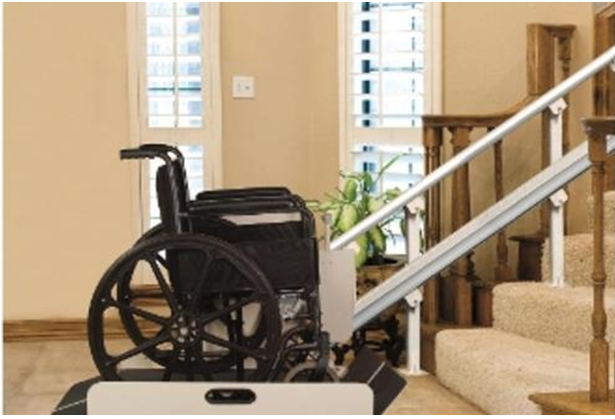
Moving a wheelchair user in a home can often present a significant challenge. However, vertical platform elevators, including used vertical platform wheelchair elevators, have been transformative in solving this movement issue. These elevators allow users to move independently, reducing the need for assistance and significantly enhancing their autonomy. This improvement leads to a better quality of life by providing easier access within the home environment.
Vertical platform elevators are one of the safest and most effective solutions for transporting a wheelchair. While they are ideal for homes with raised platforms, decks, basements, or front-yard staircases, they are not designed to accommodate multiple stories. These elevators are perfect for homes where the maximum height is around 14 feet, typically covering a room height of 10-16 feet.
Here is more detailed information:
Vertical Platform Elevators Enhancing Mobility and Independence for Wheelchair Users
The primary benefit of vertical platform elevators is that they allow wheelchair users to move inside their house from one level to another independently. From a raised porch to a basement or elevated entrance, these elevators could be accepted and adopted as a safer and more convenient means. These elevators let the user move easily from level to level without assistance, significantly improving mobility.
This enhanced mobility results in the convenience of movement and gives emotional empowerment to carry out daily work without depending on someone else. This new source of freedom would increase self-esteem and the well-being of the people using it.
Safety and Comfort Features Designed for Effortless and Secure Mobility Within the Home for Wheelchair Users
Safety is the priority in mobility solutions. Vertical platform elevators have safety features such as non-slip platforms, safety gates, and automatic stop functions, allowing the user to travel securely, smoothly, and without worrying about safety. Comfort is another crucial aspect concerning these elevators.
Due to its practical design, the user can remain comfortably seated in his or her wheelchair while the elevator is in operation, thereby obviating the need for a strenuous or uncomfortable elevator ride. This is particularly advantageous for those with limited strength or mobility since everyday movement becomes less burdensome and easier.
Affordable Accessibility Solutions That Don’t Require Major Renovations or Complex Structural Changes
A vertical platform elevator offers an economical solution for enhancing home mobility and accessibility. It costs much less and fits more easily into the installation schedule than other methods, e.g., the major home modifications industry-standard construction installation of full-sized elevators or even an extensive ramp system.
These vertical platform elevators are powerful and reliable, needing little maintenance; hence, they work brilliantly for a long time. Homeowners most likely treasure such value additions since they justify their existence in daily life, increase their independence, and enhance the functional aspects of the particular home environment.
How Vertical Platform Elevators Assist in Regaining Independence and Confidence?
Most wheelchair users face major daily access problems between the many levels within their homes. A vertical platform elevator creates an effective and trustworthy solution for suitable movement between different levels. This innovation fosters more independence and mobility, leading to more active participation in daily family life, household chores, and leisure pursuits.
The elevators remove physical barriers to movement, helping to restore autonomy and self-assurance. Thus, one enjoys revived brute comforts, safety, and independence in that familiar area of one’s own home without feeling like one’s life is on anyone else’s terms.
Effortless and Efficient Installation of Vertical Platform Elevators with Minimal Structural Adjustments
The installation of a vertical platform elevator is a fairly simple practice requiring minor changes in structure that will not interfere with the overall support of the home. Unlike traditional elevators, which generally require large-scale structural alterations and much more complicated work, vertical platform elevators are designed for a quick installation with minimal fuss to the home. Compact and space-saving in its design, it proves to be most useful in homes with spatial constraints, allowing for a functional mobility solution without utilizing too much room.
These are also very customizable; one can choose the size of the platform, the aesthetic finish, and the safety features that go with it. This ensures that the elevator can be customized to fit not only the user’s specific needs but also the home style, thereby improving accessibility without compromising the design or aesthetics of the home.
Final Thoughts
The vertical platform elevator allows a wheelchair user to move confidently and independently between the levels of their home. Further, it revolutionizes mobility, comfort, and safety features. Improved dignity and empowerment for the person using them give a cost-effective advantage, quick and hassle-free installation, and the assurance of long-term reliability. This is the perfect solution for any homeowner searching for ways to improve accessibility in their environment and enhance their quality of life.
Footnote
A vertical platform elevator is the best solution to improve mobility and independence at home. Contact us today to discover how this efficient and reliable elevator can transform your space and way of life.
Frequently Asked Questions (FAQs)
1. What is a vertical platform elevator?
A vertical platform elevator is a mobility solution designed to transport individuals in wheelchairs between different levels of a building, such as from a porch to a raised entryway.
2.How do vertical platform elevators enhance independence?
These elevators allow wheelchair users to move freely between levels without assistance, reducing reliance on caregivers and promoting autonomy.
3. Are vertical platform elevators safe to use?
Yes, they are equipped with safety features like non-slip platforms, safety gates, and automatic stop functions to ensure secure operation.
4.How much do vertical platform elevators cost?
The cost varies based on specifications, but on average, they range from $12,000 to $35,000, with high-end or fully customized models exceeding $80,000.